
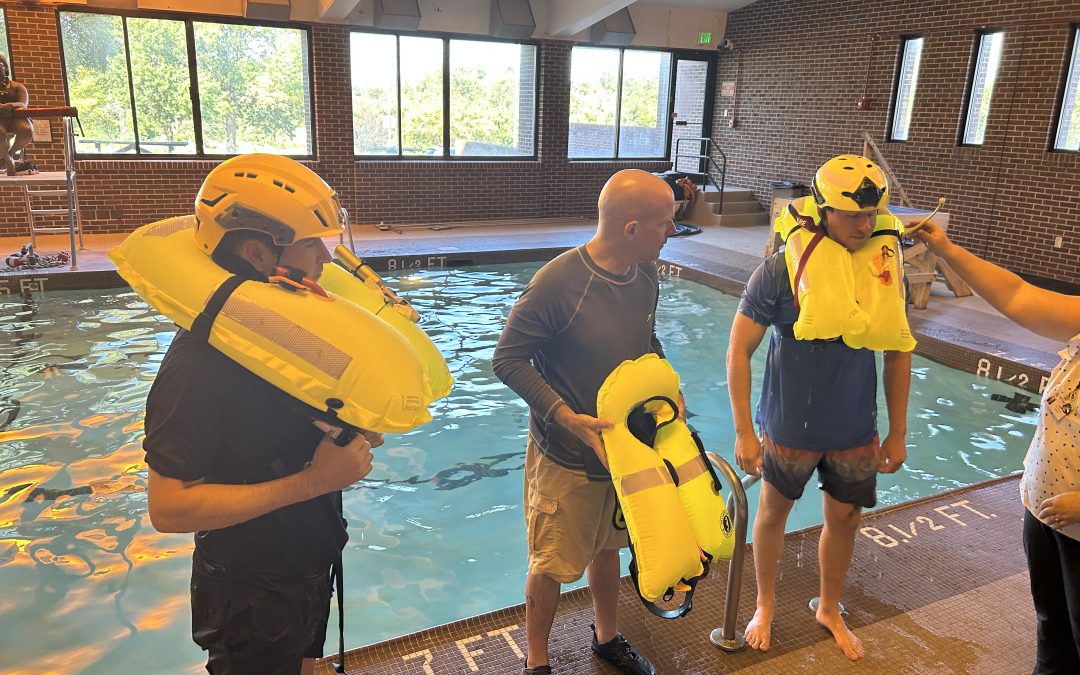
Every pilot transfer is a leap of faith — literally. With just a few feet of rope, wood, and careful rigging between them and the ocean below, maritime pilots regularly face one of the most dangerous parts of their job before they’ve even set foot on a vessel.
Unfortunately, the risks aren’t just theoretical. Despite international regulations, real-world pilot ladder incidents — slips, falls, and even fatalities — remain a persistent threat.
This is precisely why pilot ladder safety training is essential for every marine pilot entering or advancing in the profession.
The Hidden Dangers of a Routine Climb
It’s easy to assume that something as simple as a rope ladder is low risk. But data tells another story. According to the American Club, nearly 25% of seafarer injuries come from slips, trips, and falls. The financial impact is staggering over $5 million in incident costs across just 50 case studies. And for pilots, the consequences can be fatal.
These accidents often stem from preventable issues:
Poor or incorrect rigging procedure
Worn, non-compliant ladders
Improper ladder setup
Violations of SOLAS Chapter V
Makeshift connections that can fail in rough conditions
Most experienced pilots can recount at least one near miss. Many can name a colleague who didn’t make it home.
Training for the Unexpected
At MITAGS, we believe no pilot should risk their life due to inadequate training or awareness. That’s why we developed the Pilot Ladder Safety Course — a two-day immersive training program designed for working maritime pilots.
Participants learn to evaluate rigging, assess ladders against SOLAS and ISO standards, and assert their right to refuse unsafe transfers. Real-world case studies reinforce not just what went wrong — but how it could have been prevented.
Realistic, Hands-On Pilot Ladder Transfer Simulations
Training Tower (1m, 2m, 7m Transfers)
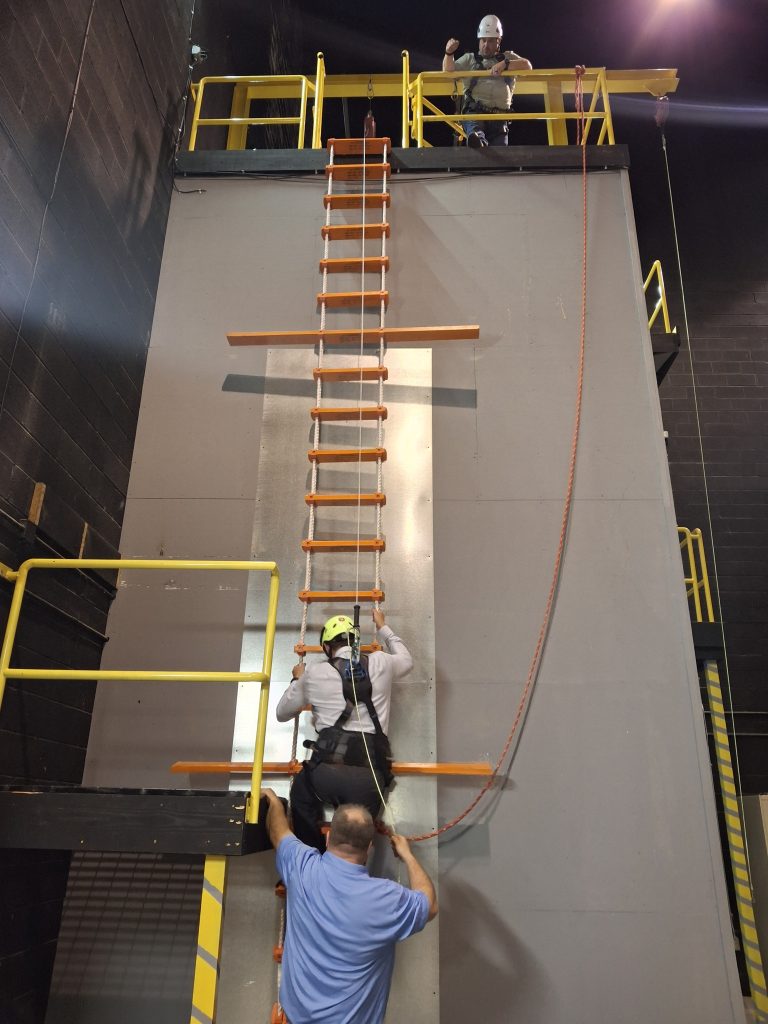
Our hands-on ladder safety training program features a training tower that allows pilots to practice transfers at 1, 2, and 7 meters, offering progressive exposure to climbing heights and transition points in a safe, controlled environment.
Wet Trainer (Up to 3m Water Entry)
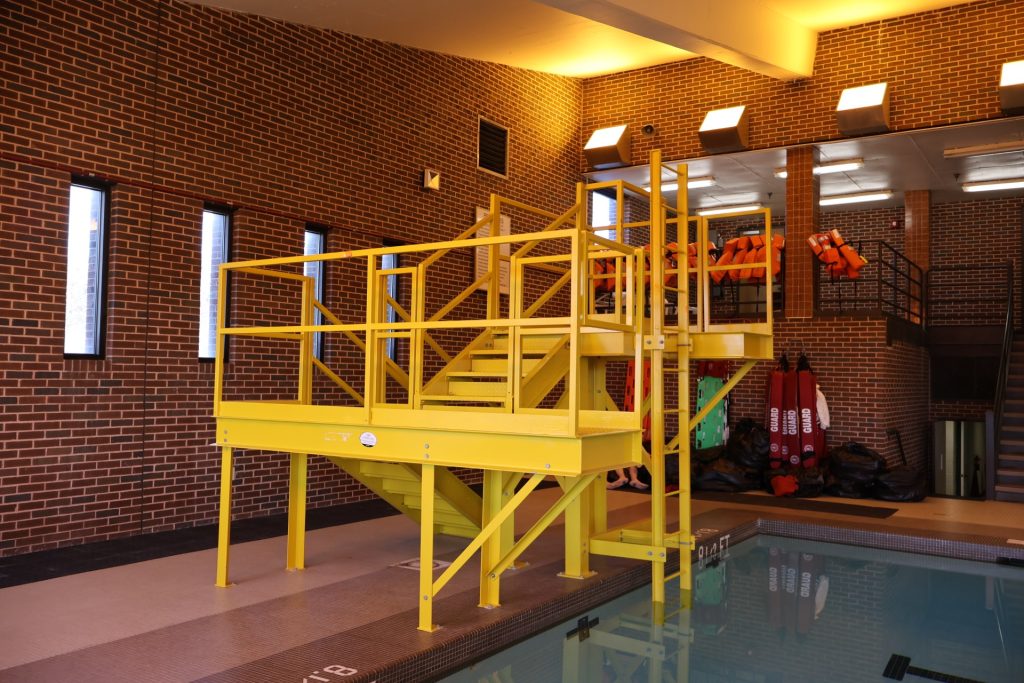
The wet trainer allows pilots to experience water-entry falls up to 3 meters, reinforcing emergency response skills, recovery techniques, and situational awareness.
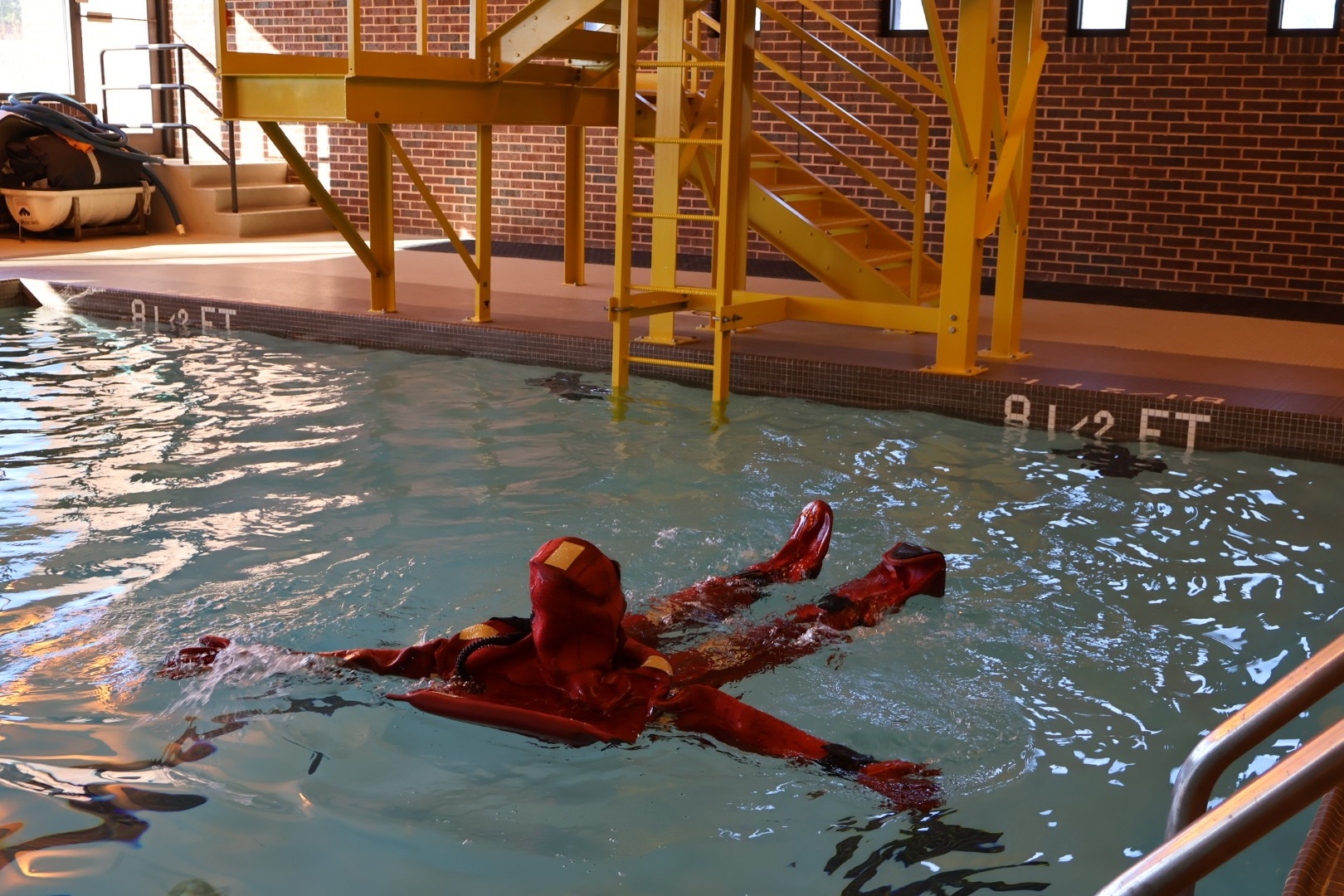
Pilot transfers occur thousands of times a day across the world. Most are routine — but when something goes wrong, it can be catastrophic.
Structured pilot ladder safety training ensures:
Greater pilot awareness
More consistent compliance
Better safety culture onboard
Fewer preventable injuries and fatalities
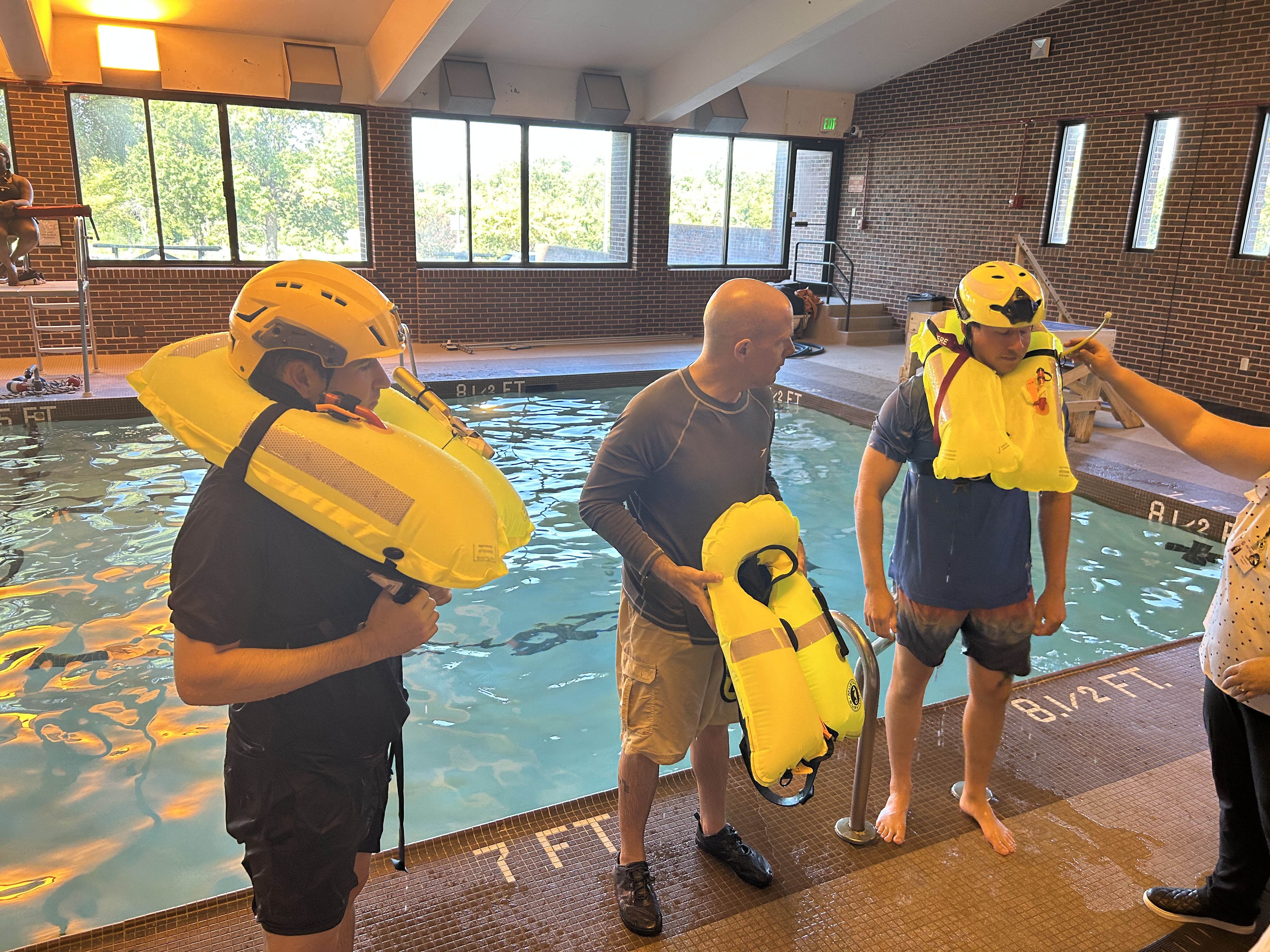
Every pilot who trains at MITAGS contributes to raising the safety standard for everyone at sea.
Ready to Take the Next Step in Your Safety Training?
Related Posts
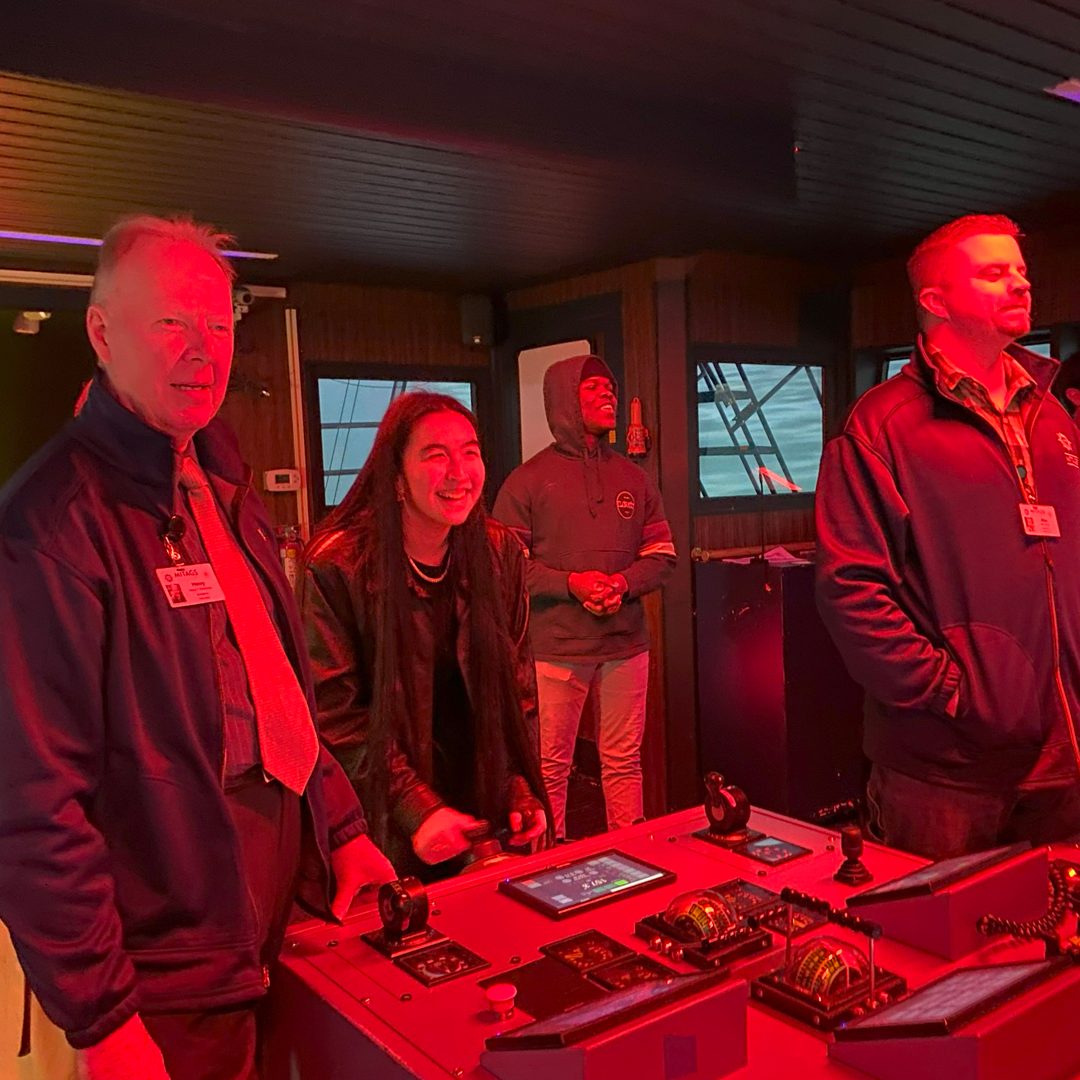
Students Celebrate with MITAGS for 73rd Annual National Engineers Week
In recognition of the 73rd Annual National Engineers Week, on February 23, MITAGS and the Maritime Conference Center (MCC) partnered with the Engineering Society of Baltimore and Sail Baltimore to host 92 students from five local high schools. Programming for the event included presentations made by seafarers related to the maritime industry, guided full mission […]
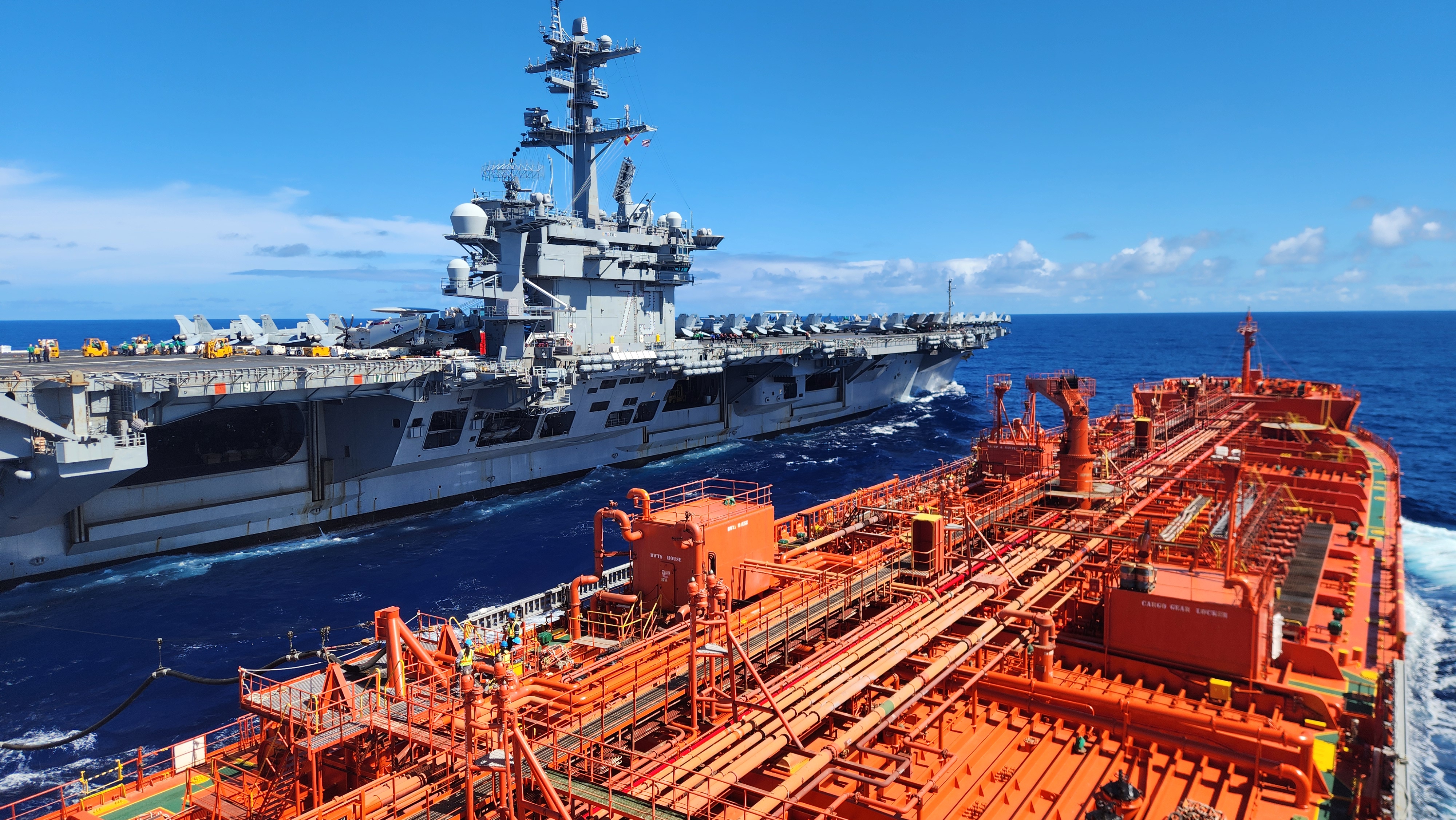
TWIC vs MMC: What’s the Difference and Which One Do You Need?
TWIC vs MMC: What’s the Difference and Which One Do You Need? If you’re wondering about the difference between a TWIC card and a Merchant Mariner Credential (MMC), you’re not alone. These are two of the most important requirements for anyone pursuing a maritime career in the United States. While both are required for many […]
Guide to Maritime Security
The maritime industry is one of the largest on the planet, and ensuring operations at sea continue safely takes determined effort. The implementation of maritime security takes both knowledge and vigilance, and is essential to enhance security enforcement without slowing down the timely flow of international commerce. Throughout this article, we’ll cover everything you’ll want […]