

Quick answer: To get sea time without previous maritime experience, start in an entry-level shipboard position or enter a maritime apprenticeship that combines training with onboard service. Keep official records of every qualifying day because undocumented work may not be credited toward a Merchant Mariner Credential or license upgrade.
What Is Sea Time?
Sea time—also called sea service—is qualifying service performed aboard a vessel. The National Maritime Center evaluates that service when determining whether a mariner meets the professional requirements for a particular rating or officer endorsement.
Sea service is more than simply spending time on a boat. The Coast Guard may consider factors such as:
- The vessel’s name, official number and gross tonnage
- The waters or route on which it operated
- Your department, position and duties
- The dates and number of days you served
- Whether the service meets the requirements for the endorsement you are seeking
There is no single sea-time requirement that applies to every maritime career. An entry-level rating, Able Seaman endorsement, limited-tonnage license and unlimited officer license can each have different requirements. Before choosing a job or training path, review the current National Maritime Center checklists for your intended credential.
How to Get Sea Time With No Previous Experience
1. Apply for an Entry-Level Maritime Job
One of the most direct ways to build sea time is to get hired for an entry-level position aboard a qualifying vessel. Depending on the vessel and operation, beginner roles may include:
- Ordinary Seaman: An entry-level deck department rating that may assist with maintenance, line handling, cleaning and general deck operations.
- Entry-level deckhand: A common starting role aboard tugboats, ferries, passenger vessels and other commercial vessels.
- Wiper: An entry-level engine department rating that assists with cleaning, maintenance and basic engine-room duties.
- Steward department or food-service position: Shipboard hospitality and food-service work can provide a route into the industry while allowing you to gain vessel experience.
Job titles and credential requirements vary significantly by employer and vessel. Read each posting carefully and confirm whether you need a Transportation Worker Identification Credential (TWIC), Merchant Mariner Credential (MMC), medical certificate or STCW training before reporting aboard.
When searching, look beyond large oceangoing ships. Potential entry points may be available with tug and barge operators, ferries, inland vessels, passenger vessels, research vessels and other commercial operators. An employer’s official careers page is usually the best place to confirm openings and minimum qualifications.
2. Enter a Maritime Apprenticeship Program
A structured apprenticeship can be a strong option if you want a defined route that combines classroom instruction, practical training and onboard experience. Instead of trying to assemble every requirement independently, apprentices progress through planned academic and sea phases.
The MITAGS Maritime Apprenticeship Program is designed for people beginning a maritime career. Its deck-officer pathways combine Coast Guard-approved training with required onboard service. MITAGS apprenticeship participants must complete 360 days of sea service within the program, and the sea phases allow partner companies to observe and evaluate apprentices in a working environment.
An apprenticeship is not a shortcut around sea service. It is a structured way to earn the required service while developing the knowledge, practical skills and professional habits needed aboard a vessel.

Not Sure Which Maritime Path Fits Your Goal?
Explore MITAGS programs for new mariners, apprentices and experienced mariners preparing to upgrade their credentials.
3. Use Qualifying Military Sea Service
If you served in the U.S. military, some of your shipboard experience may qualify toward a merchant mariner endorsement. The National Maritime Center evaluates military service based on factors such as vessel type, assigned duties, rank or rating and time served.
Military service is not automatically credited in the same way for every endorsement. Gather your official records and follow the Coast Guard’s current Military to Mariner guidance. MITAGS also offers resources and training pathways for service members moving into civilian maritime careers.
4. Document Qualifying Service on a Small Vessel
For some credentials, qualifying experience aboard an owned, operated or otherwise properly documented small vessel may count as sea service. However, recreational boating activity does not automatically satisfy the requirements for every professional endorsement.
The vessel, waters, duties and documentation all matter. Small-vessel service is commonly documented with Form CG-719S or a letter containing the same required information. Review the National Maritime Center’s sea-service documentation guidance before assuming that your experience will qualify.
5. Consider Seasonal and Part-Time Vessel Work
If a full-time offshore schedule is not immediately practical, a qualifying seasonal or part-time vessel position may help you begin gaining experience. Passenger operations, ferries, tour boats and other seasonal services may recruit additional crew during busy periods.
What matters is not whether the job is permanent or seasonal; it is whether the service meets the requirements for your intended credential and can be properly verified. Ask the employer how sea service is recorded before accepting the position.
What Do You Need Before Applying for Entry-Level Vessel Jobs?
Requirements depend on the employer, route and vessel, but many new U.S. mariners begin by preparing the following:
Transportation Worker Identification Credential
A TWIC is a security credential issued by the Transportation Security Administration. It is required for workers who need unescorted access to secure areas of regulated maritime facilities and vessels. Learn more in our guide to the difference between a TWIC and an MMC.
Merchant Mariner Credential
The Coast Guard issues the MMC containing a mariner’s national and STCW endorsements. New applicants should use the current National Maritime Center application instructions and checklists rather than relying on an employer’s old paperwork list.
Medical Certificate
A Coast Guard medical certificate demonstrates that a mariner meets applicable medical and physical standards. The National Maritime Center provides a separate entry-level medical application process using Form CG-719K/E.
Drug-Testing Documentation
Credential applications and maritime employment can include drug-testing requirements. Verify the current Coast Guard application requirements and the prospective employer’s hiring policies.
Basic Training When Required
Mariners serving on vessels subject to STCW may need approved Basic Training. MITAGS offers a five-day STCW Basic Training course covering personal survival, basic firefighting, first aid and CPR, and personal safety and social responsibilities. Not every entry-level job has identical STCW requirements, so confirm what applies to the position before registering.
How to Document Your Sea Time Correctly
Earning sea time is only part of the process. You must also be able to prove it. Missing dates, vessel information or signatures can create delays when the Coast Guard evaluates an application.
The National Maritime Center states that mariners may document qualifying service with Form CG-719S or a service letter containing the same required information. Depending on the vessel and employment arrangement, other records such as certificates of discharge may be appropriate.
Your documentation should clearly identify:
- Your full name
- The vessel’s name and identifying information
- The vessel’s gross tonnage
- The waters or route served
- Your position or department
- Your specific dates and total days of service
- An authorized signature and verifiable contact information
Do not wait until years later to reconstruct your history. Request and organize your sea-service records throughout your career, and keep secure digital and paper copies.
Common Mistakes New Mariners Should Avoid
- Assuming all time on the water counts: Service must meet the requirements for the specific endorsement.
- Choosing a job without checking vessel details: Tonnage, route, department and duties can affect how the Coast Guard credits service.
- Failing to collect documentation: Verbal confirmation from a captain or employer is not a substitute for complete records.
- Registering for training without confirming requirements: Start with the credential checklist and work backward from your career goal.
- Confusing training days with sea-service days: Classroom education and onboard service serve different purposes unless a Coast Guard-approved program specifically provides an approved substitution or credit.
- Waiting to ask questions: Correcting your plan before accepting a job is easier than discovering later that the service does not support your desired credential.
From Your First Sea Day to a Long-Term Maritime Career
Your first vessel job is not necessarily your final destination. Entry-level sea service can become the foundation for additional ratings, license upgrades and leadership opportunities. A mariner may begin as an Ordinary Seaman or deckhand, qualify for an Able Seaman endorsement after meeting the applicable requirements, and eventually pursue an officer credential with additional service, training and assessments.
If you are still deciding how to enter the industry, read the MITAGS maritime apprenticeship and career guide for a broader look at shipboard careers, training options and the realities of working at sea.
Frequently Asked Questions About Getting Sea Time
Can I get sea time if I have never worked on a ship?
Yes. New mariners typically begin through an entry-level vessel job or an apprenticeship that includes onboard service. You may need credentials, medical documentation or safety training before an employer can place you aboard.
Does recreational boating count as sea time?
Some properly documented small-vessel service may qualify for certain credentials, but recreational boating time does not automatically count for every endorsement. Eligibility depends on the vessel, waters, duties and credential sought.
Does maritime school count as sea time?
Classroom attendance by itself is generally not the same as serving aboard a vessel. However, a Coast Guard-approved program may include structured sea phases or approved training credit toward particular requirements. Verify the approval and requirements of the specific program.
How much sea time do I need?
The amount and type of service depend on the rating or officer endorsement you want. Use the current National Maritime Center checklist for that credential instead of relying on a general number.
How do I prove my sea service?
The National Maritime Center accepts Form CG-719S for applicable small-vessel service or a letter containing the same required information. Other vessel service may be documented through employer service letters, shipping articles or certificates of discharge, as applicable.
Can military service count toward a Merchant Mariner Credential?
Qualifying military sea service may receive credit. The Coast Guard evaluates the vessel, duties, rank or rating and official service records when determining equivalency.
Start Building Your Maritime Career
MITAGS offers training and apprenticeship pathways for people entering the maritime industry and professional mariners advancing their credentials.
Explore Maritime Apprenticeships Contact Admissions
Call 1-866-656-5568 or email [email protected].
This article provides general information and is not a credential evaluation. U.S. Coast Guard requirements vary by endorsement and may change. Confirm your individual requirements with the National Maritime Center.
Related Posts
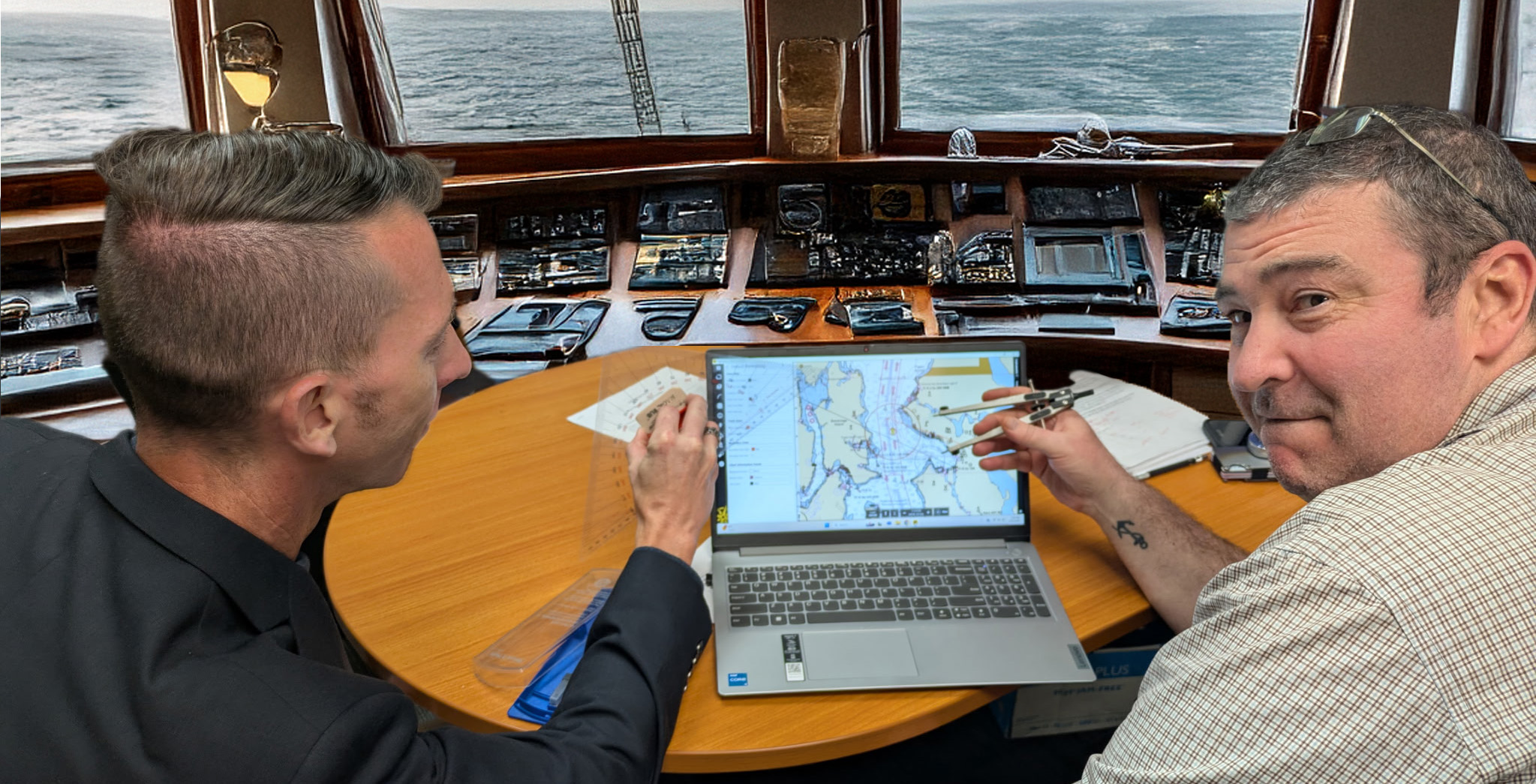
New Course at MITAGS-West “ELECTRONIC CHART SYSTEMS”
A course to help mariners get full value from their ECS Electronic Chart Systems can improve navigational safety, enhance situational awareness, and offer better operational efficiency. But many mariners don’t know how to take advantage of all the tools that come with the software. This 8-hour course covers the basics of ECS navigation, as well as […]

TWIC vs MMC: What’s the Difference and Which One Do You Need?
TWIC vs MMC: What’s the Difference and Which One Do You Need? If you’re wondering about the difference between a TWIC card and a Merchant Mariner Credential (MMC), you’re not alone. These are two of the most important requirements for anyone pursuing a maritime career in the United States. While both are required for many […]
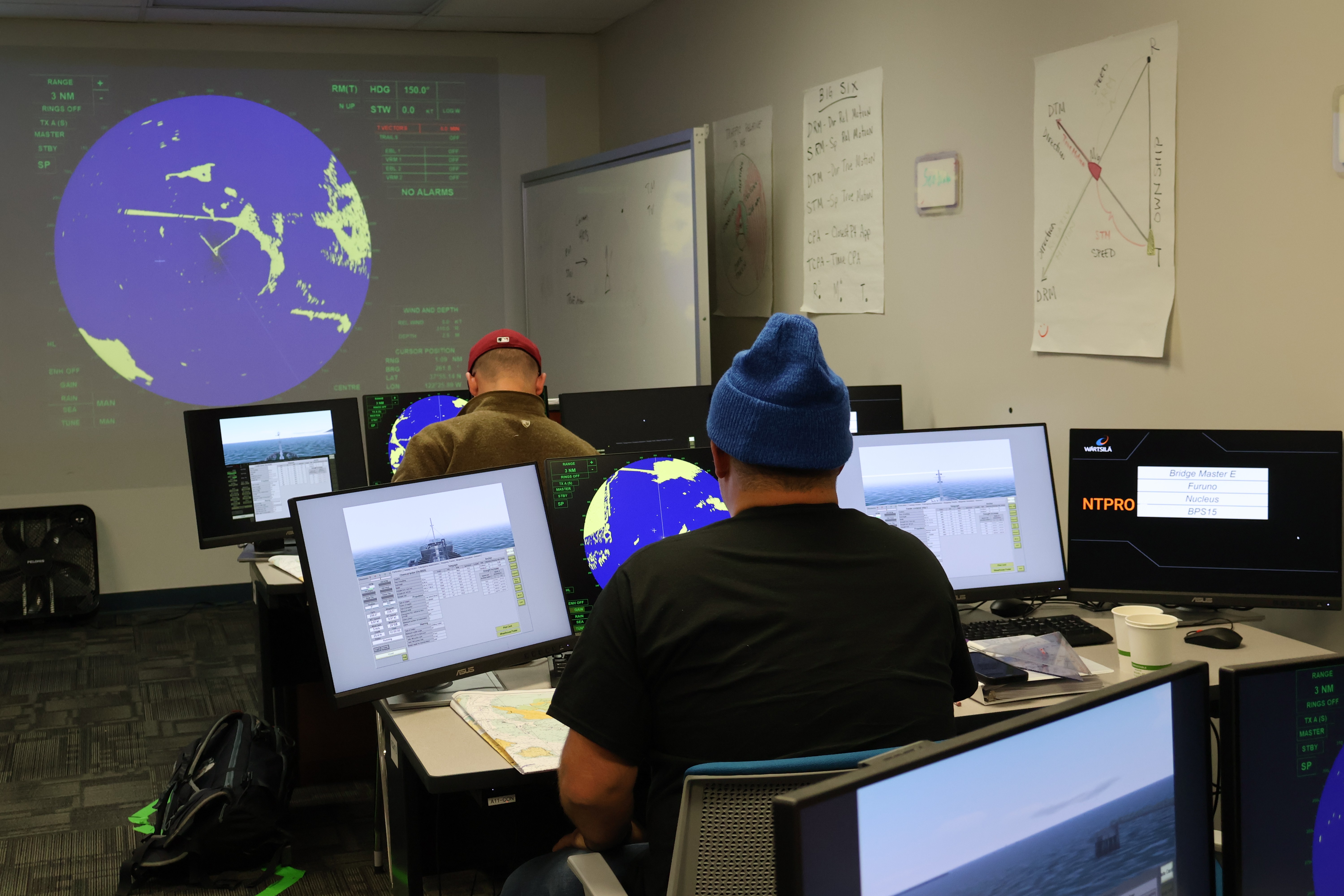
AB to Mate Program at MITAGS: Your Path from Able Seaman to Licensed Mate
Advancing from Able Seaman (AB) to Mate is one of the most important career milestones for professional mariners. The AB to Mate Program at MITAGS (Maritime Institute of Technology and Graduate Studies) is designed to help experienced deck personnel meet STCW-2010 training requirements, qualify for Officer in Charge of a Navigation Watch (OICNW), and move […]