TWIC vs MMC: What’s the Difference and Which One Do You Need?
If you’re wondering about the difference between a TWIC card and a Merchant Mariner Credential (MMC), you’re not alone. These are two of the most important requirements for anyone pursuing a maritime career in the United States. While both are required for many merchant mariners, they serve very different purposes.
Understanding the difference between a TWIC and an MMC can help you start your maritime career faster and avoid delays during the application process.
What Is a TWIC Card?
A Transportation Worker Identification Credential (TWIC) is a security identification card issued by the Transportation Security Administration (TSA). The TWIC card allows maritime workers access to secure areas of ports, terminals, vessels, and waterfront facilities throughout the United States. Think of your TWIC as your security clearance for the maritime industry.
Who Needs a TWIC?
You will likely need a TWIC card if you:
- Work aboard commercial vessels
- Work in port facilities
- Need access to secure maritime areas
- Plan to apply for a Merchant Mariner Credential (MMC)
For most mariners, obtaining a TWIC card is one of the first steps toward a maritime career.
What Is an MMC?
A Merchant Mariner Credential (MMC) is the professional credential issued by the U.S. Coast Guard that authorizes mariners to serve aboard commercial vessels. If your TWIC gets you through the gate, your MMC allows you to work on the vessel. Your MMC contains your endorsements, qualifications, and licenses.
Common MMC Endorsements
Depending on your experience and training, an MMC may include endorsements such as:
- Ordinary Seaman (OS)
- Able Seaman (AB)
- Qualified Member of the Engine Department (QMED)
- Third Mate Unlimited
- Third Assistant Engineer
- Chief Mate
- Master
As mariners gain sea service and complete additional training, they can upgrade their credentials and advance their careers.
TWIC vs. Merchant Mariner Credential (MMC)
Understanding the difference between a Transportation Worker Identification Credential (TWIC®) and a Merchant Mariner Credential (MMC) is essential for anyone pursuing a maritime career.
| TWIC Card | Merchant Mariner Credential (MMC) |
|---|---|
| Security Credential | Professional Maritime Credential |
| Issued by the Transportation Security Administration (TSA) | Issued by the U.S. Coast Guard |
| Provides access to secure maritime facilities and vessels | Authorizes service aboard commercial vessels |
| Focuses on security clearance and identity verification | Focuses on training, qualifications, and endorsements |
| Typically required before applying for an MMC | Required for most professional maritime positions |
A TWIC card allows mariners to access secure ports and maritime facilities, while an MMC serves as the credential that authorizes employment aboard commercial vessels. Most mariners need both credentials to begin and advance a maritime career.
Do You Need Both?
In most cases, yes. Many maritime employers require both a valid TWIC card and Merchant Mariner Credential before you can begin working aboard commercial vessels.
For new mariners, the typical process looks like this:
-
- Obtain a TWIC card
- Apply for a Merchant Mariner Credential (MMC)
- Obtain a Medical Certificate
- Complete Basic Training (STCW)
- Apply for entry-level maritime jobs
- Gain sea service and advance your credentials.
Maritime Career Pathway
How to Become a Merchant Mariner
While requirements vary by career path, most mariners begin by securing the right credentials, completing required training, and gaining sea service.
Obtain a TWIC Card
A TWIC card is often required before applying for your Merchant Mariner Credential.
Apply for Your MMC
The Merchant Mariner Credential is your professional credential for working aboard commercial vessels.
Complete Maritime Training
Many entry-level mariners begin with Basic Training (STCW), including survival, firefighting, first aid, and safety.
Start Sailing
Entry-level roles such as Ordinary Seaman allow mariners to begin gaining valuable sea service.
Advance Your Career
With experience, mariners can pursue roles such as Able Seaman, Mate, Master, or engineering officer positions.
Career Tip: Many mariners also pursue apprenticeship programs that provide a structured pathway to officer licenses and long-term career advancement.
Which Credential Should You Get First?
For most new mariners, the TWIC card should come first. Because a TWIC is generally required during the MMC application process, obtaining it early can help avoid delays and streamline your entry into the maritime industry.
Start Your Maritime Career with MITAGS
Whether you’re pursuing your first MMC, exploring maritime apprenticeship opportunities, or planning a path toward an officer license, MITAGS offers training programs designed to help mariners achieve their goals.
Popular programs include:
- Basic Training (STCW)
- Maritime Apprenticeship Programs
- Officer Upgrade Programs
- Advanced Maritime Training Courses
Our admissions team can help you understand credential requirements, training options, and career pathways within the maritime industry.
Ready to get started? Contact a MITAGS admissions advisor today.
Frequently Asked Questions
Do I need a TWIC before applying for an MMC?
In most cases, yes. A TWIC card is generally required as part of the MMC application process.
Can I work on a ship with only a TWIC card?
No. A TWIC card provides access to secure maritime facilities but does not authorize you to serve aboard a commercial vessel. Most mariners will also need an MMC.
How much does a TWIC card cost?
TWIC fees are established by TSA and may change periodically. Visit the TSA website for current pricing and application information.
How long does it take to get a TWIC card?
Processing times vary, but applicants should apply well in advance of when they need the credential.
How long does it take to get an MMC?
MMC processing times vary depending on application volume and credential type.
What jobs can I get with an MMC?
An MMC can open opportunities in positions such as:
- Ordinary Seaman
- Able Seaman
- Mate
- Master
- QMED
- Engineering Officer
Related Maritime Career Resources
- How to Become a Merchant Mariner
- Maritime Apprenticeship Programs
- Basic Training (STCW)
- AB to Mate Career Path
Related Posts
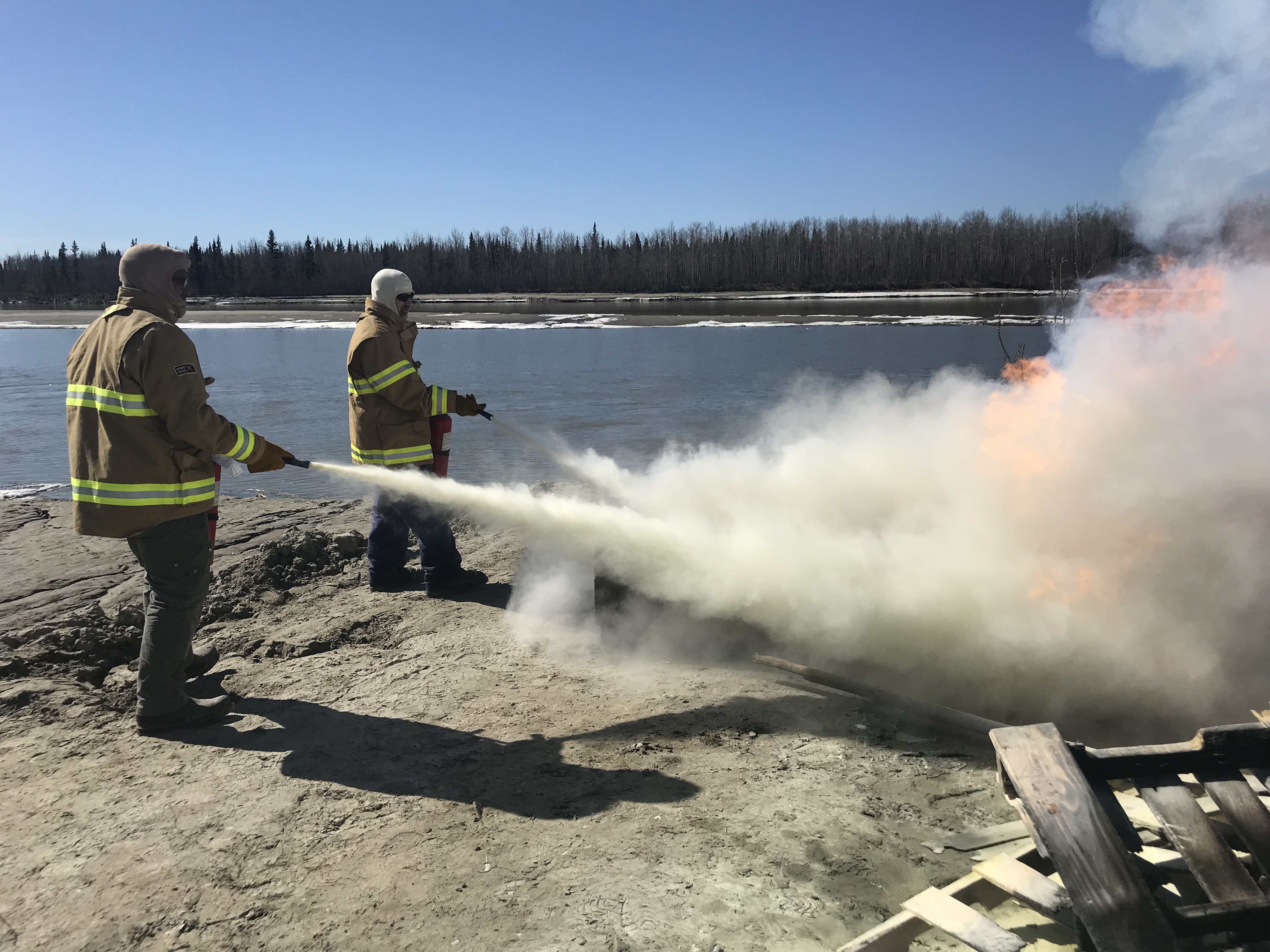
MITAGS Conducts M-SAFE Training in Central Alaska
MITAGS recently traveled to Nenana, Alaska to conduct a two-day M-SAFE training program for Ruby Marine. Ruby operates two vessels on the Tanana and Yukon Rivers, delivering freight and fuel to villages spread out over a distance of nearly a thousand miles. Because they operate in such remote areas, often far from any potential assistance, […]
Good Housekeeping and Safe Working Practices for Vessels at Sea
Proper housekeeping and safe ship working practices ensure a comfortable working environment and are critical for staying safe on the open water. Establishing and following a set of health and safety guidelines can keep ships functioning at an optimal level. In this article, we will cover everything you need to know about maintaining a clean, […]
Guide to Ship Cybersecurity
Your Guide to Ship Cybersecurity Types of Cyber Attacks Stages of a Cyber Attack Identify Cyber Vulnerabilities How to Create a Plan Cybersecurity Training In an age where electronics seemingly control everything, cybersecurity has never been more critical to the marine sector. We depend on electronics for everything from vessel navigation to maintenance, and their […]